Press kit

Virgin Atlantic

AirlineGatwick, Sussex, England, UK

www.virginatlantic.com

Virgin Atlantic CEO Corneel Koster Accelerates Starlink Rollout, Defines Post-Founder Era

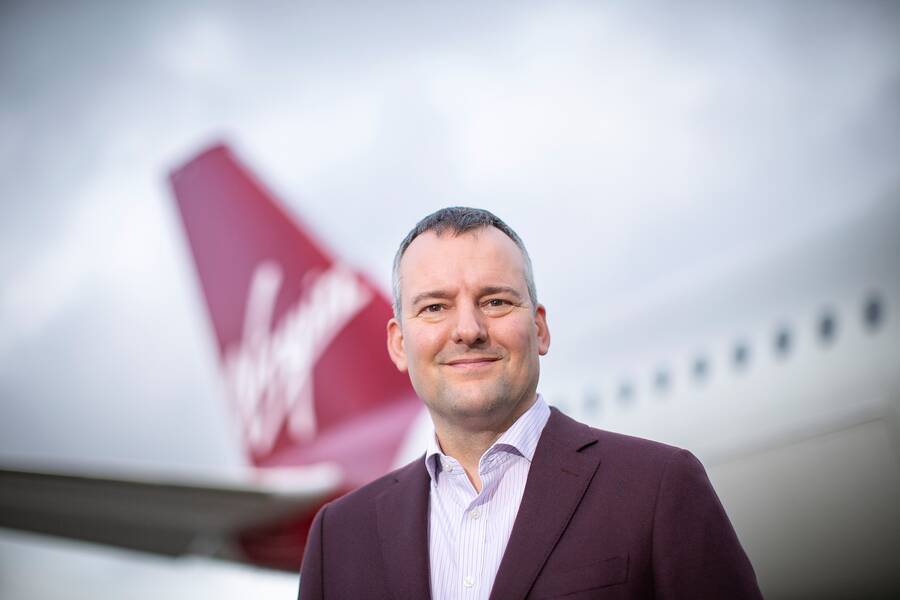
Six months into his tenure, Virgin Atlantic CEO Corneel Koster has accelerated the airline's fleet-wide free Starlink Wi-Fi rollout, marking a decisive operational shift for the brand synonymous with Sir Richard Branson. Koster, a 30-year aviation operator who took the helm on January 1, 2026, is defining the post-founder era with a focus on operational pace over public spectacle.

Corneel Koster, who became Virgin Atlantic CEO on January 1, 2026, is defining the airline's post-founder era not with grand pronouncements, but with operational execution. Six months into his tenure, Koster's first signature move was to accelerate the fleet-wide rollout of free Starlink Wi-Fi, launching it on May 1, 2026, ahead of schedule and beating British Airways to market. This move underscores a strategic focus on product delivery and operational pace, building on the airline's record 2024 revenues of £3.3bn under his predecessor, Shai Weiss. The transition comes as the aviation industry faces acute pressures, with jet fuel at record highs, yet also a rare competitive opening as some Gulf carriers scale back on key transatlantic routes. This context sharpens the question facing many founder-defined brands: can a challenger airline maintain its distinct spirit and competitive edge when its founder steps back? Koster's approach suggests the answer lies in tangible customer benefits and operational agility. "My mission is to carry forward the challenger spirit Sir Richard instilled, but to do so with an unwavering focus on delivering the best possible experience through operational excellence," says Corneel Koster. "Accelerating Starlink was a clear signal of our intent: to move fast, innovate for our customers, and lead where others follow." Sir Richard Branson adds, "Virgin Atlantic has always been about doing things differently. Corneel understands that deeply. He's bold, curious, and ready to shake up the status quo, ensuring Virgin Atlantic continues to challenge and delight." Both Corneel Koster and Sir Richard Branson are available for interviews to discuss this leadership transition and the future strategy of Virgin Atlantic.

Trend context

Leadership succession at founder-defined brands is a live business-desk theme, and aviation is under acute strain: jet fuel sits at more than double pre-war levels, the highest on record, squeezing margins across the sector. Yet the pullback of some Gulf carriers on key routes has opened a transatlantic window. Koster's first six months — capped by an accelerated Starlink launch that beat BA to market — is a real test case of whether a challenger brand outlasts its founder.

About Virgin Atlantic

Why we exist

Virgin Atlantic was founded in 1984 to break up a cosy, complacent long-haul market where a near-monopoly treated passengers as an afterthought. The conviction was simple: flying should feel human, a little rebellious, and better than the incumbent thought worth bothering with. Four decades on, the brand still defines itself against the status quo — the challenger that does things differently, from cabin design to service, rather than the biggest carrier in the sky.

How we do it

Virgin Atlantic competes on experience and pace, not scale. It runs one of the youngest, most fuel-efficient long-haul fleets in the world (average age under seven years) and moves faster than larger rivals on customer-facing innovation — being first, or fastest, to market rather than biggest. Through its joint venture with Delta and Air France-KLM and SkyTeam membership, it punches above its size on transatlantic routes while keeping a distinct challenger identity.

What we do

Virgin Atlantic is a British long-haul airline, headquartered near Gatwick, flying from London Heathrow, Gatwick and Manchester to North America, the Caribbean, Africa, the Middle East and Asia. Its network centres on the transatlantic corridor, operated jointly with Delta, with onward connections to over 200 cities. Alongside the airline sit Virgin Atlantic Holidays and Virgin Atlantic Cargo. It carries premium and leisure passengers across Economy, Premium and Upper Class.

Why it matters

If Virgin Atlantic vanished, the transatlantic market would lose its most persistent disruptor — the carrier that has repeatedly forced bigger airlines to raise their game on service, cabins and, now, connectivity. It matters as a check on complacency in a market where the alternatives are giants. For UK aviation, it's a rare home-grown challenger competing head-on with far larger rivals rather than retreating to a niche.

Who it's for

The traveller who wants long-haul to feel like more than a bus with wings — premium leisure passengers, transatlantic business flyers, and brand-loyal customers who choose Virgin for the experience over the lowest fare. It skews to people who value service, design and a sense of personality in the air, and who'll pick a challenger over an incumbent when the product is competitive. Flying Club members sit at the centre of its loyalty proposition.

Proof points

Record 2024 revenues of £3.3bn, up £183m on 2023, with passenger capacity growth of 7.6%. One of the youngest, most fuel-efficient long-haul fleets in the world — average age under seven years. UK's only Global Five Star operator, rated by APEX every year of Weiss's tenure. Ranked No. 1 Most Loved Workplace by Newsweek. First UK airline to launch free, fleet-wide Starlink Wi-Fi (live 1 May 2026). Committed to Net Zero by 2050, with 15+ years of sustainability action.

Traction & credibility

Virgin Atlantic returned to profitability and delivered record performance in 2024 following a full post-pandemic transformation. It operates a leading transatlantic network via its joint venture with Delta and Air France-KLM, and in 2023 became the first and only UK member of the SkyTeam global alliance. The airline has been recognised as the UK's only Global Five Star operator by APEX and as Newsweek's No. 1 Most Loved Workplace, and in 2026 became the first UK carrier to launch free fleet-wide Starlink connectivity — beating British Airways to a working service.

Spokespeople

Corneel Koster

Corneel Koster

CEO

Koster became CEO on 1 January 2026, the airline's first chief executive of the post-founder-transition era, succeeding Shai Weiss. His route to the top was operational, not promotional: three decades in aviation across Virgin Atlantic, Delta, Aeroméxico and KLM, including an earlier stint as Virgin Atlantic's Director of Operations, Safety and Security (2010–2013) before rejoining in 2019 as Chief Customer Officer, then Chief Customer and Operating Officer. He led the airline's A330neo introduction and its digital operational transformation, and was central to keeping it flying through the pandemic. He describes his mission as carrying forward the "challenger spirit" Branson instilled.
Sir Richard Branson

Sir Richard Branson

Founder

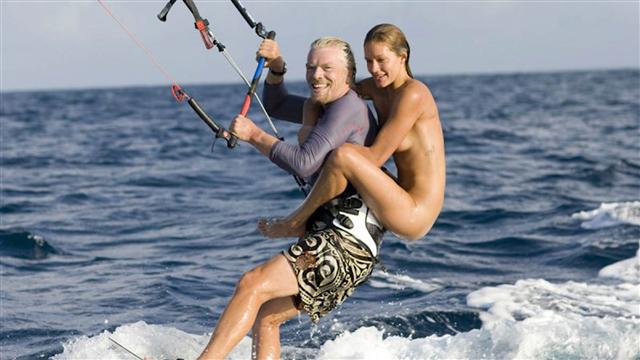
The man who started it all in 1984 to take on a complacent long-haul market, and still the face most associated with the brand. Branson launched Virgin Atlantic with a single aircraft and a challenger's instinct for taking on incumbents far larger than himself, building it into a global airline and one of the most recognisable names in aviation. He remains an active voice on the brand's direction and personally welcomed Koster into the CEO role, calling him "bold, curious and ready to shake up the status quo." Best for: the founder-succession angle, the brand's origin and challenger identity, and the transition narrative.


Talking points

The human

Virgin Atlantic's New CEO Corneel Koster Accelerates Starlink Rollout, Defining Post-Founder Era with Operational Pace

www.virginatlantic.com/corporate/leadership-team/chief-executive-officer

The story

A founder-defined brand hands its top job to a 30-year operations lifer rather than a showman — and six months in, he's moving faster than the founder-era playbook. Koster's first signature act wasn't a rebrand; it was pulling a fleet-wide free Starlink Wi-Fi rollout forward a quarter to beat British Airways to market. The change being reported: what happens to the "challenger spirit" when the challenger-in-chief steps back, and whether an operator can carry it.

Why it matters

Every founder-led business eventually faces this transition, and few brands are as tied to one person as Virgin. Virgin Atlantic is the visible test of whether the culture outlives the founder — and Koster is running it during the toughest cost environment aviation has seen, with a rare competitive opening.

Who does it impact

Business and aviation-desk readers tracking leadership, strategy and the transatlantic market; frequent flyers and the wider travel trade watching whether Virgin's product and service hold up under new management. Also relevant to management and leadership writers covering founder succession.

Proof points

CEO since 1 January 2026, succeeding Shai Weiss after a seven-year tenure. 30 years in aviation across Virgin Atlantic, Delta, Aeroméxico and KLM. Inherited record 2024 revenues of £3.3bn (up £183m on 2023). First major move: accelerated free Starlink rollout, launched early May 2026 on VS153 (Heathrow–JFK), ahead of schedule.

CTA

Follow Virgin Atlantic's progress under Corneel Koster's leadership at virginatlantic.com/news or experience the new Starlink Wi-Fi on board flights from London Heathrow to JFK.

Key facts

CEO Name
Corneel Koster
Start Date as CEO
2026-01-01
Predecessor
Shai Weiss
Years in Aviation
30
First Major Initiative
Accelerated fleet-wide free Starlink Wi-Fi rollout

Images

Corneel Koster


Get in touch

Corneel Koster

Corneel Koster

CEO

Drop me a note and I'll reply by email.