Press kit

Sylva

Digital health: support for parents of autistic and ADHD childrenBristol, South West, England, UK

www.mysylva.com

Fonagy review demands support without diagnosis: Bristol founder answers call for 1.2m on NHS waitlists

Three days after the government-commissioned Fonagy review called for an end to diagnosis-gated neurodevelopmental support, a Bristol digital health company has launched a model designed to bypass the queue. Founded by former No 10 adviser Ben Cosh following his own family's experience in the SEND system, Sylva provides on-demand, MHRA-registered clinical guidance to parents stranded on NHS autism and ADHD waiting lists—delivering home strategies before a formal diagnosis is reached.

The review, led by Prof Peter Fonagy, wants support given at the point of need rather than only after a diagnosis (the Guardian, 9 October). In England, 960,000 people are waiting for an ADHD assessment and 295,000 for autism (the Guardian, 24 September). "Diagnosis remains essential and must be protected," said Fonagy. "What has to change is that it is no longer the only door through which help can be reached." Sylva is for the parents in that queue, with or without a diagnosis. They start with free, validated screening questionnaires, scored against published thresholds rather than by AI, and can share the results with a GP, school or SENCO. The AI is the support. It gets to know the family and teaches children and teenagers mental-health strategies through their parents, in steps small enough to use at 7.10am. In a peer-reviewed study in Scientific Reports (8 April 2026), NHS clinicians scored Sylva's answers to 400 real parent questions at 4.78 out of 5 for safety and 4.81 for empathy. Its screening and monitoring module is a UKCA-marked Class I medical device, registered with the MHRA. Sylva works alongside NHS assessment, not instead of it, and is not a substitute for professional or emergency care. It does not diagnose or treat, and it points families to crisis services when they need them. Founder Ben Cosh, a former adviser to No 10, built Sylva after his own family hit the SEND system. "I sat in Downing Street helping design the systems that are meant to support families. Then I sat on a plastic chair built for a seven-year-old and was told my child's distress was my anxiety. I built Sylva for every parent on the small chair," said Cosh. Sylva costs £14.99 a month, less than an eighth of the £129 a private psychologist session averaged in 2025 (myTribe Insurance survey of 349 UK private psychologists). The screening is free, and families in financial hardship can ask for three months free.

Trend context

On 9 October the government-commissioned Fonagy review of mental health conditions, ADHD and autism said support should come at the point of need, not only after a diagnosis. The Department of Health and Social Care committed to "earlier, needs-led support for children, young people and adults, without long waits for clinical diagnosis" (the Guardian, 9 October). Four NHS integrated care boards have set minimum waits for assessment of up to two years (the Guardian, 24 September). October is ADHD Awareness Month. For parents, the question moves from when their child will be seen to what help they can have now.

About Sylva

Why we exist

In England, 960,000 people are waiting for an ADHD assessment and 295,000 for autism (Guardian, 24 September). Children's mental health services are just as stretched: only 13% of children referred with suspected autism got treatment in 2024-25 (Children's Commissioner, June 2026). The wait isn't quiet. It's the school refusal at 7am, and the call from school when you're in a meeting. Families who can afford it pay their way out. Everyone else waits, mostly clinically stressed, lonely and isolated.

How we do it

Parents begin with free, scientifically validated screening questionnaires scored against clinical thresholds, strictly non-diagnostic. Sylva's AI delivers on-demand coaching, translating evidence-based paediatric mental health strategies into bite-sized steps parents deploy during crises. Sylva is an MHRA-registered, UKCA-marked Class I medical device built to NHS clinical safety standards (DCB0129) and NHS data security requirements.

What we do

Sylva is an app for iOS, Android, and web providing on-demand guidance to parents navigating neurodevelopmental waitlists, with peak usage between 8pm and 11pm. Built in Bristol by Sylva Minds Ltd (founded by Ben Cosh in 2023), initial screening is free and full access costs £14.99 a month.

Why it matters

If Sylva vanished at midnight, the parent who opened it at 10.40pm would be back to waiting, with nowhere to take the 7am problem, or paying several thousand pounds for a private assessment to get out of the queue. The enemy is help that only starts with a diagnosis, the norm the government-commissioned Fonagy review has now said must change. The victor is the parent with one strategy that works at 7.10am.

Who it's for

The mother at 7.10am whose nine-year-old won't put his shoes on and is shouting that he hates school, with a meeting at nine and no diagnosis yet. And the same woman at 10.40pm, when the house is quiet and she finally has time to worry about herself. Sylva is for parents and carers of autistic and ADHD children and young people aged 2 to 25, with or without a diagnosis.

Proof points

400 real parent questions: NHS clinicians scored Sylva's answers 4.78 out of 5 for safety, 4.81 for empathy and 4.73 for utility (Scientific Reports, 8 April 2026). 75 of 75 safeguarding scenarios flagged (same study). Almost 10,000 downloads (company figures, September 2026). 20 Bristol families asked for in the 2025 early-access test; 1,000 downloads overnight after one BBC story (company figures). 783 pages of technical documentation behind its Declaration of Conformity, signed August 2026 (company figures).

Traction & credibility

Evidence: peer-reviewed evaluation in Scientific Reports (Nature Portfolio), April 2026. Regulation and security: screening and monitoring module UKCA-marked as a Class I medical device and registered with the MHRA (2026); ISO 27001; NHS Data Security and Protection Toolkit "Standards Met" (2025-26); Cyber Essentials. Press: BBC News, TheBusinessDesk South West and Bristol Parent (May 2025, when the app was called Hazel); BBC Radio Bristol interview with Ben Cosh (September 2026). Partner: Bristol Autism Support, offering Sylva to its families since autumn 2025.

Spokespeople

Ben Cosh

Ben Cosh

Founder and CEO

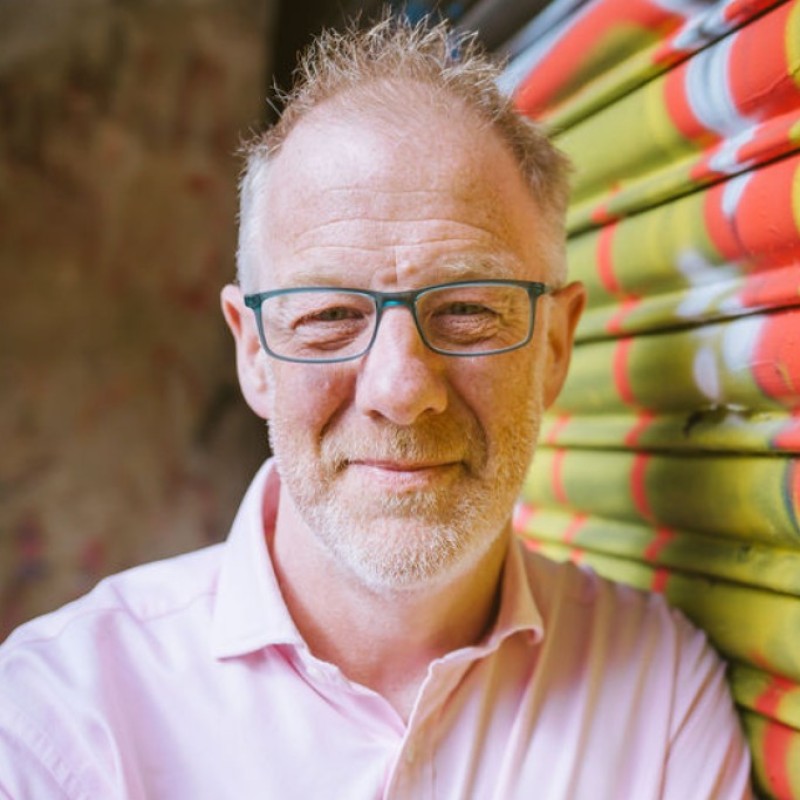
Ben Cosh spent ten years at PA Consulting working with UK government, including as an adviser to No 10, then founded the Bristol wind and solar developer TGC Renewables in 2006. In 2016 his own family hit the SEND system: school refusal, referrals that led nowhere, and a classroom meeting on a plastic chair where a professional told him anxious children have anxious parents. Sylva is his second venture.

Expertise

SEND and the wait for autism and ADHD assessment, from a parent's side; designing public services; building a regulated digital-health product

Notability

Former adviser to No 10; founded TGC Renewables (2006); interviewed by BBC Radio Bristol (September 2026)
Dr Rosanna Chapman

Dr Rosanna Chapman

Clinical psychologist, Sylva psychology governance team

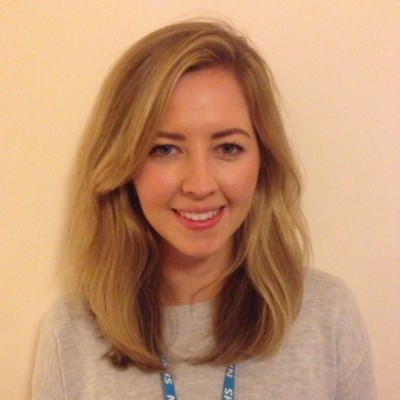
Dr Rosanna Chapman is a clinical psychologist on Sylva's psychology governance team. She talks about what helps at home before a diagnosis arrives: small, practical changes that fit the child and the home, and support for the parent while they make them.

Expertise

Clinical psychology; supporting parents of autistic and ADHD children; practical strategies at home, before and after a diagnosis


Talking points

The insight

Following the Fonagy review, Sylva founder Ben Cosh argues diagnosis-first care leaves 1.25m UK families stranded at the school gate

www.mysylva.com

The story

On 9 October 2026, the government-commissioned Fonagy review recommended ending diagnosis as the sole gateway to neurodevelopmental support. Sylva founder Ben Cosh argues the UK's care model is backwards: while families wait years for NHS assessment, practical behavioural and sensory guidance should be delivered from day one. Clinical guidance during crisis moments—such as morning school refusal—does not require a formal clinical label to be effective.

Why it matters

In England, 960,000 people are waiting for an ADHD assessment and 295,000 for autism, and four NHS integrated care boards have set minimum waits of up to two years (the Guardian, 24 September). "A two-year wait is two years of school mornings," said Cosh. "Families can't put their child's needs on hold, so support shouldn't be on hold either."

Who does it impact

Parents of the 1.25m children and adults waiting on NHS ADHD and autism lists, particularly carers managing chronic school refusal, alongside primary care GPs and SEND coordinators facing unprecedented triage bottlenecks.

Proof points

"Parents don't have to wait for a diagnosis to start helping their child," said Dr Rosanna Chapman, a clinical psychologist on Sylva's psychology governance team. NHS clinicians scored Sylva's answers to 400 real parent questions 4.78 out of 5 for safety and 4.81 for empathy (Scientific Reports, 8 April 2026). Almost 10,000 downloads (company figures, September 2026).

CTA

Complete the free non-diagnostic neurodevelopmental screening questionnaire at mysylva.com

Get in touch

Ben Cosh

Ben Cosh

Founder and CEO

Drop me a note and I'll reply by email.