Èdo Cheesecake Pivots to Regional Shipping, Closes Retail After Viral Success
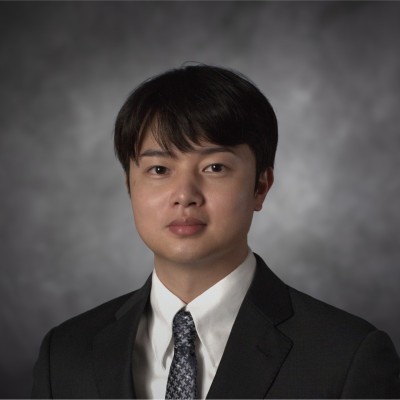
Shawn Zhu spliced himself into Inception, leaned out of his car window at Leonardo DiCaprio and said "I think I just found a cheesecake you'll like — not too sweet." He posted it with a shrug — "I don't even think it's a good video" — and it passed 24 million views, lifting sales 30%. His response is the part nobody expects: he's winding down retail, because years of kitchen lifting have wrecked his back, and pivoting Èdo Cheesecake to regional shipping. The man who went viral is choosing to shrink.
Baltimore's Èdo Cheesecake has become the internet's favourite dessert stand, and its baker is answering the moment by stepping back from the counter. Shawn Zhu's video pitching his Basque cheesecake to Leonardo DiCaprio — spliced with footage from Inception — has passed 24 million views and lifted sales 30%, The Baltimore Banner reported this month.
He posted it expecting nothing. "I don't even think it's a good video," he told the Banner. The clip is seconds long — "Hey, Leo," delivered from the driver's seat, "I think I just found a cheesecake you'll like," with the closer that matters in dessert culture: it's not too sweet.
The comedy has a backstory that explains everything. "I barely speak English before I move to the U.S.," Zhu says. "I learned a lot of my English from TV series." So when polished food content proved exhausting to make, he started filming parodies of The Wire and Breaking Bad instead — cheesecake standing in for the contraband — shot in the shared kitchen where he bakes. He doesn't make food content. He makes television about cheesecake.
The product underneath is serious craft. Èdo's is a Japanese-style Basque lava cheesecake — co-founder Gasper Lyu told the Banner the recipe was inspired by Japanese traditions — a gluten-free take on the burnt, crustless style created in 1988 by chef Santiago Rivera at La Viña in San Sebastián, torched dark outside, molten inside, in flavours from crème brûlée and Biscoff to taro and matcha.
It's been built the modern Baltimore way: baked in rented commissary space at La Chow, the 24/7 shared kitchen that lets food entrepreneurs operate without building their own; sold through farmers markets; a pop-up in Broadway Market, Baltimore's oldest public market building, standing since 1786; and a Harbor East storefront partnership, Èdo Cafe — with the founders mentored on their business plan by Johns Hopkins' Pava Center for Entrepreneurship.
Then came the cost the view counter doesn't show. Zhu has severe back pain from the constant lifting of kitchen work — and rather than expand into the demand, local outlet Hoodline reports he's closing the Broadway Market pop-up, winding down retail, and shifting Èdo to shipping orders across the region.
The contrast writes itself: this happened during a stretch of declining foot traffic and corporate exits in downtown Baltimore. The one business with more customers than it could handle is the one choosing fewer.
"Twenty-four million views doesn't lift a single cheesecake out of the oven — my back does, and it's been telling me something for a while," says Shawn Zhu, founder of Èdo Cheesecake. "Closing the counter isn't giving up, it's the opposite. Shipping means everyone who watched that video can actually get one, and I can still stand up straight to make it. Leo, the offer stands. We deliver."
Trend context
The viral-food economy just got its counter-narrative in print. "Going viral used to be the dream for local businesses; now it can be the dread," ran a New York Groove report this month — food businesses in 2026 need what it called an armored plan for managing Line Culture, because virality no longer comes with a comfortable ride. Restaurant-industry coverage of the creator-review ecosystem describes the same pattern: orders spike, walk-ins explode, and unprepared kitchens tip into operational chaos.
The demand side is enormous and documented — industry surveys report that 55% of TikTok users have visited a restaurant after seeing its menu on the platform — and the standard story has exactly two endings: the spike fades, or the business scales into it. Èdo is the third ending nobody covers: the deliberate downshift, where a founder converts 24 million strangers into a mail-order audience instead of a queue his body can't serve. A dense, gluten-free Basque cheesecake happens to be one of the few viral foods that genuinely ships — which makes this pivot less retreat than product-market fit.
Underneath sits the human story the creator economy keeps skipping: the gap between a video's reach and a baker's spine. Every food desk has covered the stampede. Almost none have covered what it costs to be stampeded.
About ÈDO CHEESECAKE
Why we exist
Èdo exists at the crossing point of two dessert traditions — Japanese restraint and Spanish fire — made by founders for whom sweetness was a language before English was. The name is Tokyo's old name; the philosophy is the highest compliment in Asian dessert culture: not too sweet.
How we do it
Small batches, by hand, in shared commercial kitchen space — the modern route into food that skips the crushing overheads. Recipes built from Japanese technique, gluten-free by design, pre-ordered so nothing is wasted, and marketed with humour and a phone instead of a budget.
What we do
Japanese-style Basque lava cheesecakes — whole cakes and slices in flavours including crème brûlée, Biscoff, taro and matcha — alongside Japanese puddings and teas at the Èdo Cafe partnership in Harbor East, plus catering, with the business now shifting to regional shipping.
Why it matters
The enemy is the viral economy's accounting — a system that measures a bakery in views and queue lengths and never asks whether the baker's back survives the month. And its cousin: dessert treated as content first and craft second.
Who it's for
The person who watched the video at midnight and needs the real thing. The gluten-free eater tired of apologetic substitutes. And Baltimore — a city that showed up for a market stall while its downtown emptied.
Proof points
24+ million views on a single video; sales up 30% year-over-year (2025-2026). A storefront partnership in Harbor East. A residency in Baltimore's oldest public market building (1786). Mentored by Johns Hopkins' Pava Center for Entrepreneurship. Built from a shared kitchen with no outside funding.
Traction & credibility
Farmers markets to Broadway Market to a Harbor East storefront in under two years, covered twice by The Baltimore Banner and by local business press — with the viral moment converting into the company's next chapter: a regional shipping operation launched off the back of a 24-million-view audience.
Spokespeople
Shawn Zhu
founder & baker
The origin scar is double: arriving in America with almost no English and learning it from television box sets — then years of lifting in rented kitchens taking his back. His unfair advantage comes straight from the first scar: he doesn't think like a food marketer, he thinks like the TV that taught him — which is why his content is parody, timing and character while everyone else films glossy pours. The pivot: market stall, to 24 million views, to a shipping business built around a body that needs the counter less.
Talking points
The shift
the viral cheesecake is leaving the counter: èdo goes shipping-first
After a DiCaprio parody video passed 24 million views and lifted sales 30%, Èdo Cheesecake is doing the opposite of what viral food businesses do: closing its Broadway Market pop-up, winding down retail, and relaunching as a regional shipping operation — because founder Shawn Zhu's back can't serve a stampede, and a dense, gluten-free Basque lava cheesecake is one of the few viral foods that truly travels. The audience the video built becomes the customer base the counter never could have held.
Why it matters
The creator economy has documented two outcomes for viral food businesses — burn out or build out — and this is the unexamined third: downshift by design. If a one-baker operation can convert 24 million views into a sustainable mail-order business instead of an unsustainable queue, it's a playbook for every small food maker staring at a spike they can't physically serve.
Who does it impact
Everyone who watched the video outside Baltimore can finally order the thing. Zhu gets a business his body can run. Shared-kitchen food entrepreneurs get a proof case that virality can fund sustainability rather than demand expansion. And the viral-food discourse gets its missing chapter: the cost side of the ledger.
Proof points
Shawn Zhu, founder of Èdo Cheesecake, states, 'The viral success showed us the demand was there, but my back couldn't keep up with a physical queue. This shift allows us to serve that audience sustainably, turning a fleeting moment into a long-term business model that respects both craft and wellbeing.' The company reported a 30% year-over-year sales increase from 2025 to 2026, following a single video garnering over 24 million views.
CTA
Shipping launch details, coverage area and dates via Èdo; Zhu available — the interview is the video, the back story and the pivot, in that order. edocheesecake.com for orders.
Key facts
Shift Type
Business model pivot from retail/pop-up to regional shipping